
Learning beyond the table
Field Trips
The whole world is your classroom, and some of the best lessons happen outside the house. Filter by your kid's age and the subject you are after, and we will surface what fits, free options first. Start with one. There is no behind here.
Build a printable field-trip day
Kid age
Subject
Your state
Cost

Museums
A museum trip turns a single afternoon into local history, art, and science your kids can explore at their own pace. Look for free admission days and hands-on discovery rooms, where a curious five-year-old and a teenager can each find something to dig into.
What to look for
- Always-free museums or free admission days
- Hands-on discovery rooms for kids
- Printable scavenger hunts or gallery guides
- Dedicated homeschool days or group rates
A place to start: The Smithsonian museums in Washington, DC are always free, and most publish free learning guides online you can use even from home.
Find one near you: Search your city plus “free museum day,” and check whether they run a homeschool day.
Questions to ask by age
Early: Which thing in here is your favorite, and what do you think it is?
Elementary: Pick one object and figure out how old it is and who made it.
Middle: What story is this room trying to tell, and what did they leave out?
Teen: How does the way this exhibit is arranged shape the story it tells, and whose view is missing?
Museums in Utah
Official directory for Utah
Browse the Utah Division of Arts & Museums, the state's own listing.
A verified official source. More state directories are on the way.
Botanical Gardens and Arboretums
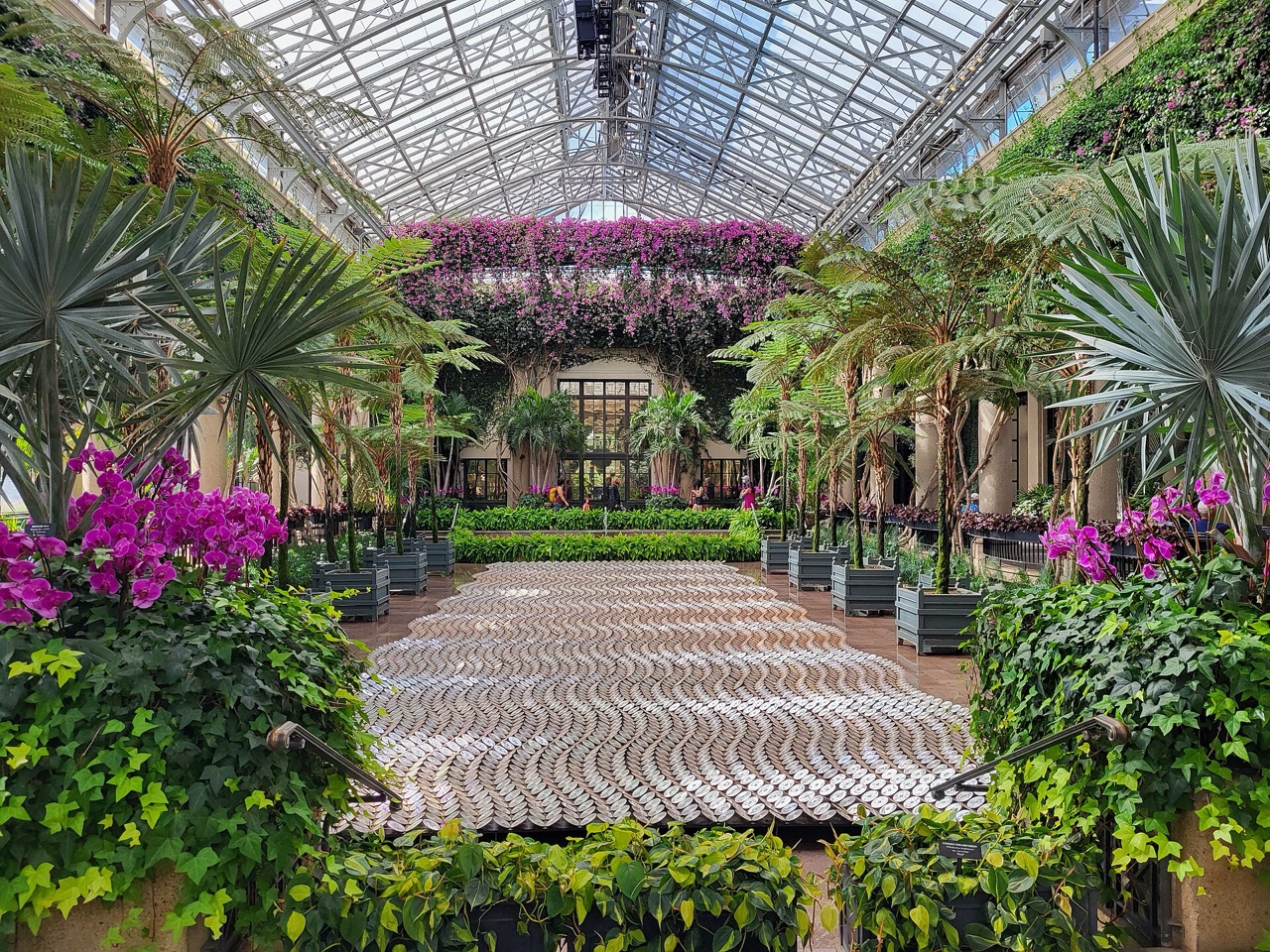
Wander cultivated paths, glass conservatories, and children's gardens where regional plants are labeled and seasons change right before your eyes. Kids of every age can touch leaves, sniff blooms, hunt for pollinators, and sketch what they find, turning a quiet walk into real botany.
What to look for
- Labeled seasonal blooms
- Junior naturalist or kids’ programs
- Seed libraries or take-home activities
- A children’s or sensory garden area
A place to start: The United States Botanic Garden in Washington, DC is free, open year-round, and posts learning resources online.
Find one near you: Search “botanical garden” or “arboretum” plus your area. Many county extension offices also run demonstration gardens.
Questions to ask by age
Early: Can you find the biggest leaf and the smallest flower?
Elementary: Which plants would grow where we live, and which would not, and why?
Middle: How is this plant built to survive its home climate?
Teen: How does this garden handle water use, native plants, and invasive species?
Botanical gardens and arboretums in Utah
Historic Landmarks and Parks
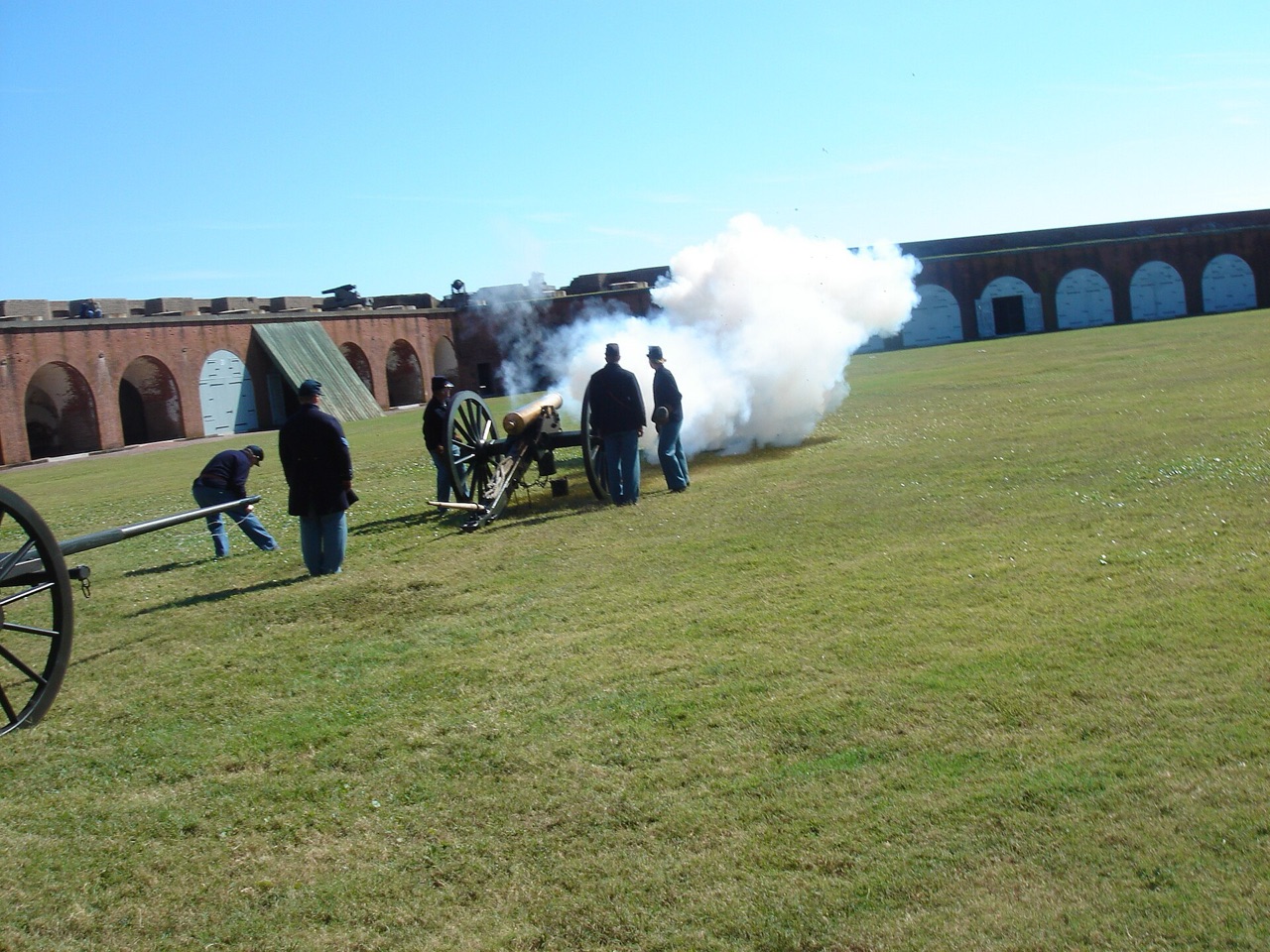
Historic landmarks and parks turn the past into something kids can walk through, from old forts and battlefields to national park sites with cannon firings and costumed guides. Mixed ages learn together here, with junior ranger booklets for the little ones and real stories that stick with the older kids.
What to look for
- The National Park Service Junior Ranger program (free activity booklets and a badge)
- Living-history demonstrations
- Free-entry days
- Ranger-led talks
A place to start: The National Park Service runs Junior Ranger programs at sites nationwide, from Independence Hall to local battlefields and seashores. Most are free with park admission, and some can be done online.
Find one near you: Search “National Park Service” plus your state, or “[your state] historic site.”
Questions to ask by age
Early: What do you think happened here a long time ago?
Elementary: Who lived or worked here, and what was a day like for them?
Middle: Why was this place important enough to protect, and who decided that?
Teen: What local or national conflicts shaped this ground, and whose story is left out?
National parks and sites in Utah
Historic landmarks in Utah

Science Centers
Science centers are where kids get to touch the learning, from hands-on exhibits and maker spaces to live demos and planetarium shows under a dome of stars. Little ones push buttons and chase bubbles while older kids dig into the why, so one visit reaches every age in your family.
What to look for
- Interactive exhibits you can touch
- A planetarium or maker space
- Live demonstrations
- Homeschool workshop days
A place to start: The Exploratorium in San Francisco is a hands-on science museum, and its website hosts hundreds of free at-home experiments called Science Snacks.
Find one near you: Search “science center” or “science museum” plus your region.
Questions to ask by age
Early: Which button or lever was the most fun, and what did it do?
Elementary: Pick one exhibit and explain how it works in your own words.
Middle: What question did this demonstration answer, and what new question did it raise?
Teen: How would you redesign one exhibit to test the idea more clearly?
Science centers and planetariums in Utah

Zoos and Aquariums
A zoo or aquarium trip puts wildlife and conservation right in front of your kids, from a glass tunnel of gliding sharks to a keeper talk at feeding time. It works for every age because little ones can simply watch and wonder while older kids dig into habitats, diets, and how each species is protected.
What to look for
- Keeper talks and feeding times
- Conservation and education programs
- Junior zookeeper or behind-the-scenes days
- An education membership that pays for itself in two visits
A place to start: The Smithsonian National Zoo in Washington, DC is free, and runs live animal cams online.
Find one near you: Search “zoo” or “aquarium” plus your area, and look for “education programs.”
Questions to ask by age
Early: Which animal is the biggest, and which one would you want to be?
Elementary: What does this animal eat, and how can you tell from its body?
Middle: How does this habitat try to copy the animal's wild home?
Teen: What is this species' conservation status, and what are the ethics of keeping it here?
Zoos and aquariums in Utah
Working Farms and Homesteads
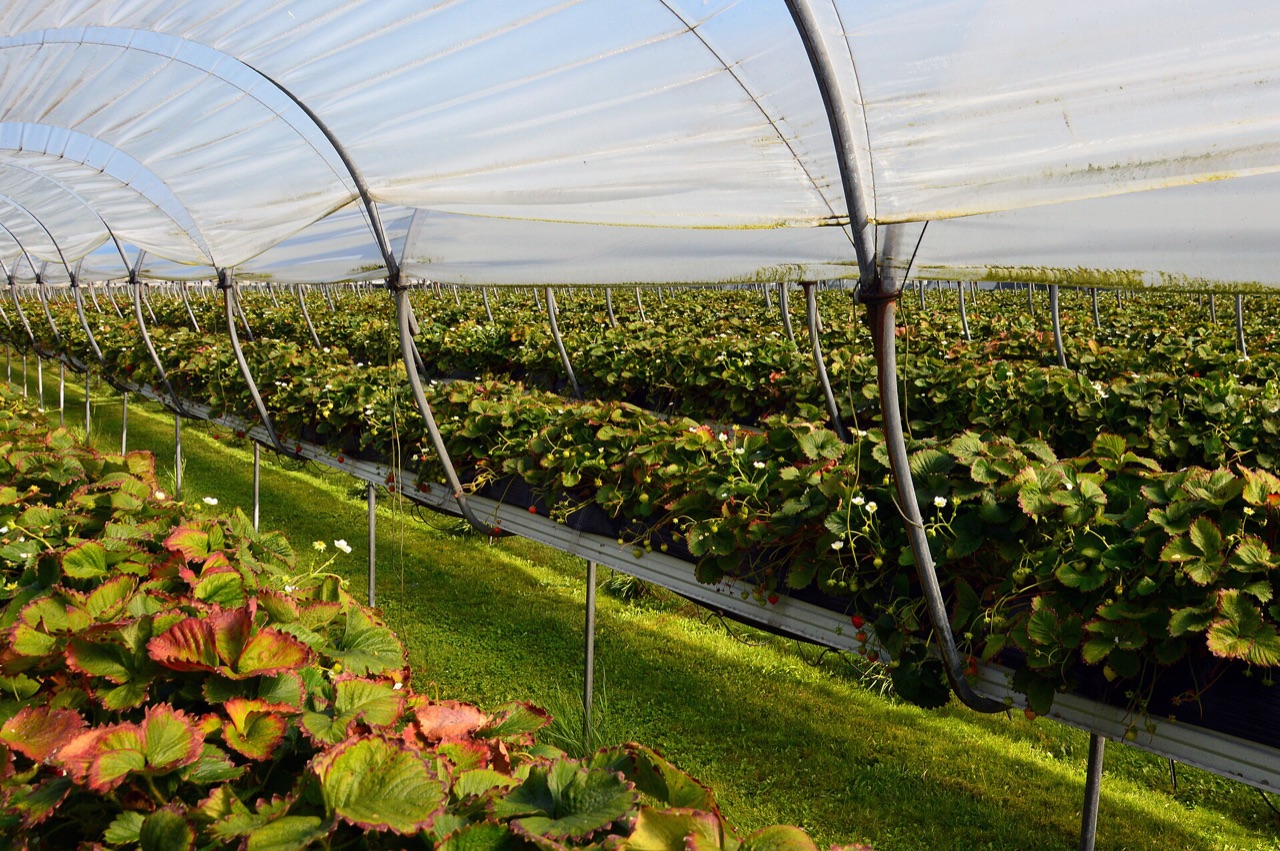
A working farm or homestead lets kids feed animals, walk through the fields, and pick their own berries or pumpkins right off the vine. It is a hands-on day where little ones giggle at goats and older kids ask real questions about where food comes from and how a farm runs.
Farms are the most local of these, so there is no single national one. Here is how to find a good one and what to look for.
What to look for
- Seasonal U-pick (berries, apples, pumpkins)
- Animal-care or milking demonstrations
- Farm-to-table or harvest tours
- CSA or open-farm days
A place to start: The USDA Local Food Directory lists farms, farmers markets, and on-farm markets by zip code. Search “USDA Local Food Directory.”
Find one near you: Try “[your county] open farm day” or your state Farm Bureau.
Questions to ask by age
Early: Which animal or plant here makes a food you have eaten?
Elementary: Trace one food from this farm to your kitchen table.
Middle: What does this farm need to run, from water to weather to work?
Teen: What are the main input costs for one harvest, and how do this farm's choices affect the soil and the local food system?
Community farm guide
Know an open homestead or farm stand near you? Help us build a hand-checked local directory.
Add a farm or homesteadEvery submission is checked by hand before it goes live. There is no behind here.
Make it a group trip
Field trips are better with other families, and the planning is lighter when you share it. Find homeschoolers near you, or see what is already on the calendar.
Category photos, all openly licensed via Wikimedia Commons: Museums by Zairon (CC BY 4.0). Botanical Gardens by Afever (CC BY 4.0). Science Centers by ESO/P. Horalek (CC BY 4.0). Zoos and Aquariums by Marek Slusarczyk / Tupungato (CC BY 3.0). Historic Landmarks by Bruce Altobelli (CC BY-SA 4.0). Working Farms by DimiTalen (CC0).
Place listings come from OpenStreetMap. Descriptions and photos for notable places come from Wikipedia. Always confirm details on each place's own page before you go.